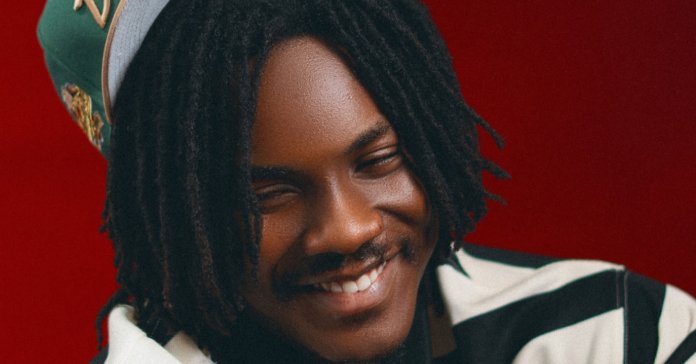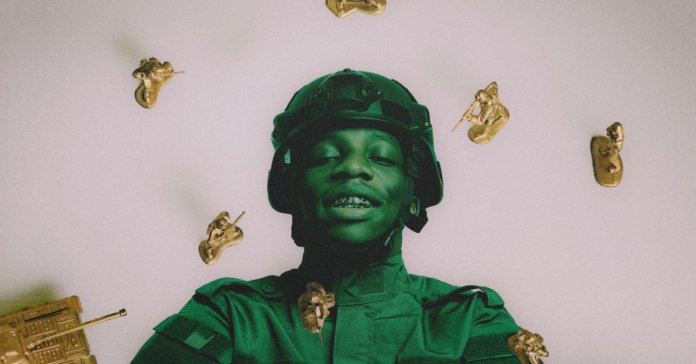
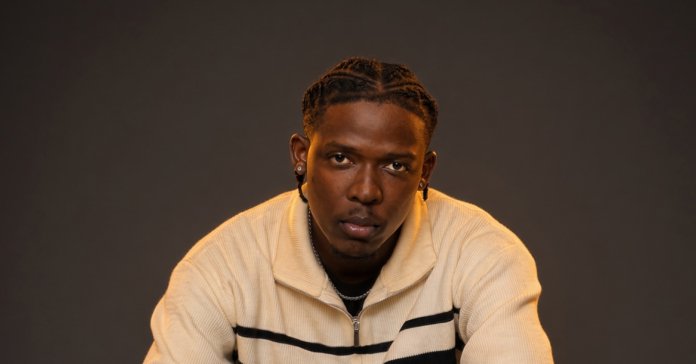
Every couple needs a soundtrack, and most settle for whatever was playing in the taxi. Airak writes the love songs, then films the arguments that need them, which makes his release schedule the only one in Kampala with an apology built into the content calendar.
The format
Airak (@iamairak) is a Ugandan Afro Sounds singer with about 42K followers on Instagram, and he shoots recurring relationship skits with Alexiar (@xtremelyxiar). They play a couple in repeated, low-budget disputes set in a bedroom, a kitchen or on a couch. In one clip she finds clothes in the cupboard instead of the wardrobe and builds a case from them. In another, the gateman’s account of a visitor becomes the evidence. He stays calm and she drives the argument. Most of what they post follows this pattern, and viewers keep asking whether it’s real. They also treat it as a series, asking in the comments for the full episode and for Part 3.
The skits and the songs
The skits do promotional work for the music. A straight-face challenge video, with Alexiar trying to make him laugh on a dark couch, carried the caption announcing his single for 5 June, so the clip served as both a bit and a release announcement. On TikTok he captioned a clip with her “This is not just a skit,” and another calls her “my baby.” The captions imply something real behind the performance without saying they’re a couple, and viewers fill in the rest. The one clear on-camera reveal found so far is a skit from 2 August that ends with a staged confession that the breakup was a bit. Part of the audience reads the pair as a couple and part reads it as comedy, and the format keeps both groups watching.
What the format gives him
A lot of musicians wait for a video budget before they ask anyone to watch. Airak shot a repeatable show in rooms he already had, with a co-star who has her own audience, and used it to keep his page active between songs. Fans also notice that the skits are mostly arguments with very little romance, which suggests the love songs are the part the series doesn’t show.
What’s still open
The public record doesn’t say who owns his masters or publishing, or where the songs are distributed. One skit turns mid-argument into a pitch for a Mogo smartphone loan, and no paid-partnership label was visible in the post data reviewed. The audience he has built lives on the platforms that host the clips, so the next step is moving it toward something he controls, such as a catalogue on streaming services with his name on the rights.