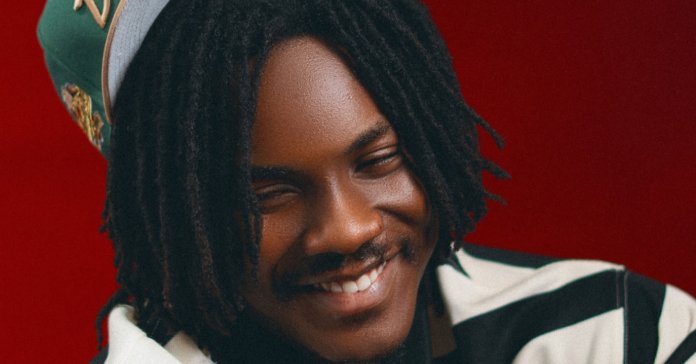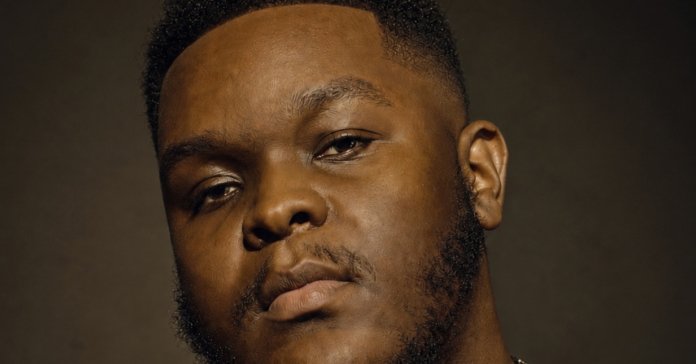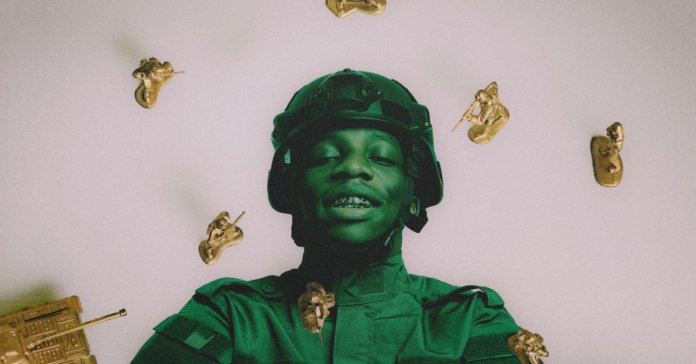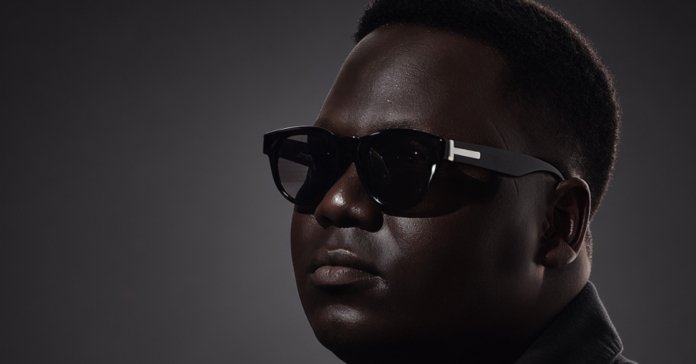

!Nize PlayNoGames has an A&R department of ~900 people. None are on payroll. All of them sit in his comment section. As far as his posts show, he did not recruit them. He posted a beat called “For Ozedikus.” They arrived with opinions on the bassline, the Wizkid comparisons, and the price.
Behind the joke is a Nigerian Afrobeats producer with 7K Instagram followers (@nize_beats). Whether by design or accident, he has worked out how a beat gets heard without a label. He films the making of it and labels every stage. Then he addresses it to a name big enough to make the post travel.
The beat, built where everyone can watch
His breakout post, from 18 May 2026, has about 14,000 likes. He talks to camera under blue LED light and records raw vocals into the mic. Then he moves to FL Studio. He plays the bass line on a MIDI keyboard and adds an electric piano melody. A shaker loop and a crash build the drums, and a flute line comes last. The reel ends on the full playlist, tracks named and stacked.
The comments read like a trial run of the market. People compare the beat to Wizkid, Rema, Omah Lay and BNXN. One person asks how much it costs. Nobody needed to ask him to explain the process, because he had already shown all of it.
The pitch is part of the product
On 12 May he posted “POV: Making a sample for Tems.” The structure is the same: raw vocals, more vocals, then the full sample. He sings the melody himself.
The caption names his gear: a Rode NT1-A mic, Adam Audio speakers and Beyerdynamic headphones. It adds a Solid State Logic interface and a guitar by Nate Gemini. It also asks whether Tems would float on it and announces a sample pack.
Listing the gear is quiet credibility signalling aimed at other producers. Asking a specific artist a public question turns a studio clip into an invitation. The invitation is what gets shared.
How !Nize PlayNoGames builds Afrobeats samples in public
He also teaches in public. One reel gives five ways to make Afrobeat samples. They are to source unusual vocals, sample daily, change things in small steps, keep it simple, and study existing work. Another covers five ways producers earn in 2026.
In April he challenged other producers to make five beats a day for a week. On “KELEBE” (13 June) he posted a split-screen of FL Studio and the studio. The text reads “Sample this.” It leaves his own loop open for anyone to flip.
The business side shows in the captions. Beats are for sale through DM, and worldwide licensing is mentioned. Full versions sit on YouTube, linked in his bio. His home studio, with LED strips and a wood slat wall, is the same room in every post.
Plenty of Nigerian producers work from a bedroom studio with a MIDI keyboard. Many have a clear idea of who they want to hear the beat. What shows here is the method. Build in the open. Name the standard you are aiming at. Let the people who respond decide how seriously to take it.