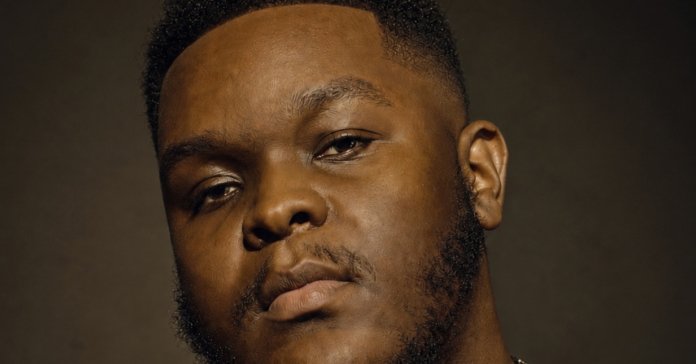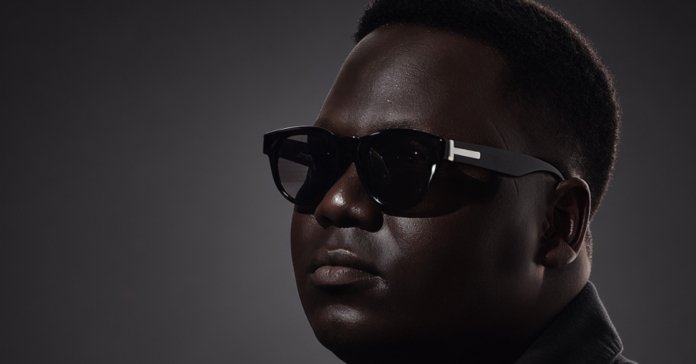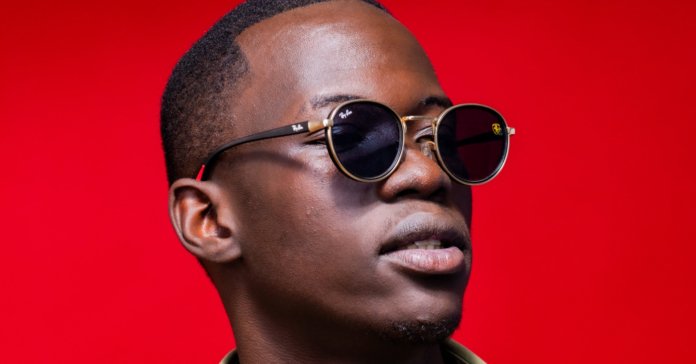
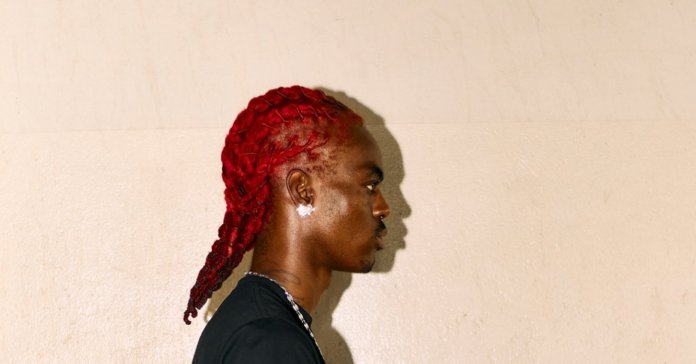
On 16 October, AlorG, 21, released his second EP, First Off I’m Proud Of G. The title is a statement of pride, and it credits no one else. Two of Ghana’s established names have already put their weight behind him: KiDi gave him early stage time and, by his own account, a co-writing credit on “For Life,” and Sarkodie joined him on “Put It On God.”
Those co-signs are real, but a verse is a reference, not a verdict. What AlorG has built stands on the work itself, and it was made somewhere less glamorous than a chart. Down I’m A Rebel, his debut EP, released on 1 November 2024, was a year of work he described as holding “Pain, Betrayal, Rage, Growth, Heartbreak, Loneliness and Paranoia.” It is a project about isolation and anxiety, with “Lonely and Paranoid” among its eight tracks, made in a genre that usually treats vulnerability as a risk to the brand. He wrote it anyway, in his own voice, at Pioneer 11 Studios with 2shuus and Sosawavegod. It was distributed through Platoon, and the credits on his earlier releases read ℗ AlorG. Authorship, in this case, meant putting the unflattering material on the record himself.
“Free My Mind,” with BHADMAYORS, and its NSG remix carried the sound further than the EP alone could. The through-line, though, is in the writing, not the reach. Across Afrobeats, hip-hop, highlife and hiplife, AlorG keeps the same confessional centre.
First Off I’m Proud Of G has eight tracks, with Medikal on “Chap Chap” and Suono Sai on “Buss Am.” It charted in the Top 10 on Apple Music Ghana within days of release. The guests arrive on his project, not the other way round, and that ordering is the point. What the “G” stands for, he hasn’t said. The title reads as pride in the journey, and the journey began in Taifa, Accra, where he was born in 2005.
The EP is still in its first weeks. On X he is thanking the people “defending me in rooms I’m not in,” which is the language of listeners who already treat the work as theirs to protect. It is early, and it is not yet a body of results. That is the stage nqefa exists to mark: a standard held privately, now visible, while recognition is still rare.
The statement came first. The proof is following it.